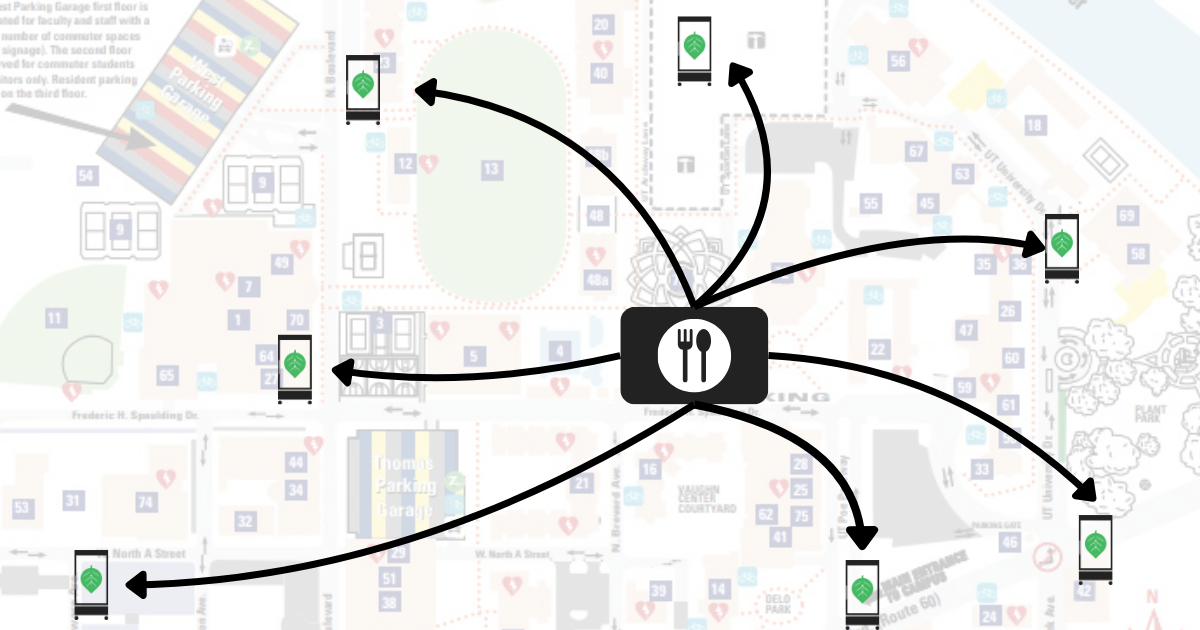
Most universities don’t have a food problem.
They have a distribution problem.
On most campuses, you’ll find quality dining facilities, talented culinary teams, and plenty of food being prepared every day. Yet students still complain they can’t find something to eat when they need it.
That’s because campus dining is designed around where food is produced, not where and when students need it.
The campuses that are improving food access are beginning to think differently. Instead of asking, “Should we build another dining hall?” they’re asking, “How do we get food closer to students?”
This shift changes everything.
Capacity isn’t the same as access
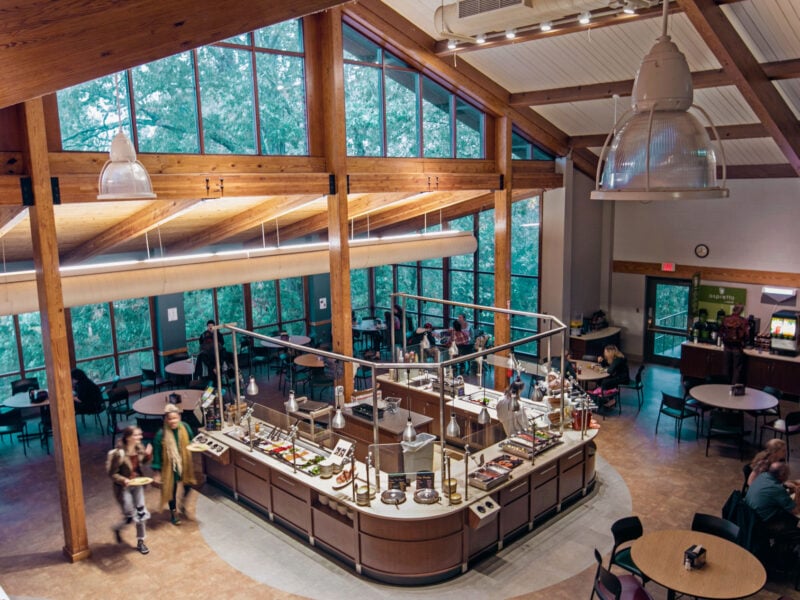
When universities want to improve dining, the instinct is often to increase capacity.
That usually means:
- A larger dining hall
- More seating
- Longer serving lines
- Bigger kitchens
Those investments make sense when demand exceeds production.
But that’s not the challenge most campuses face today.
The challenge is that a student studying in the library at 10:30 p.m. can’t benefit from a dining hall that’s closed two miles away.
More capacity doesn’t solve poor access.
Students experience campus one building at a time
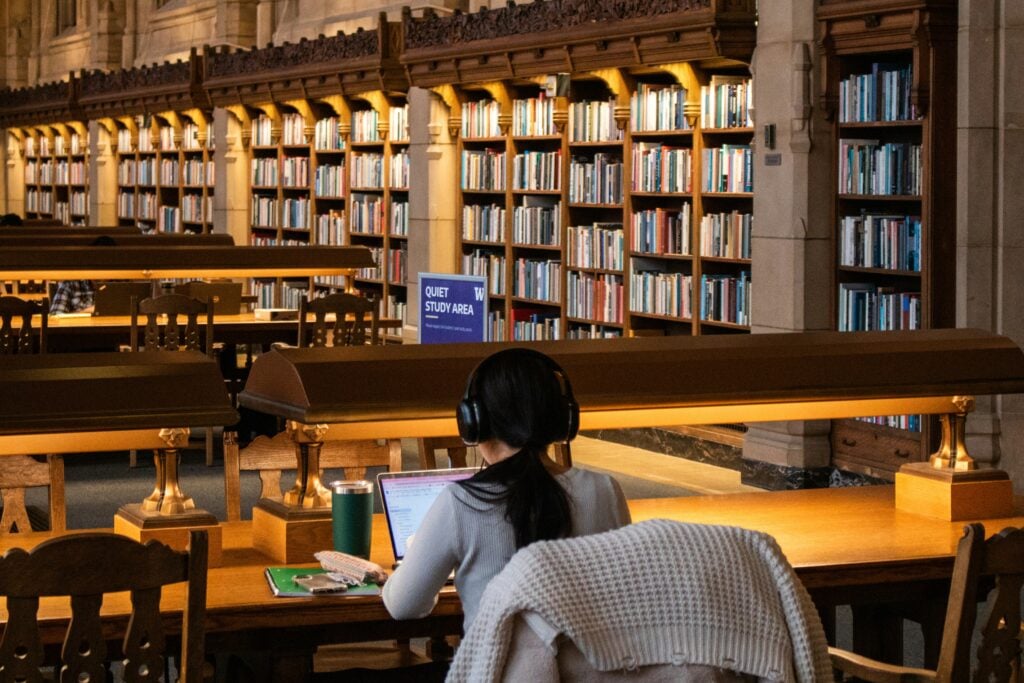
Universities often think about dining at the campus level. Students don’t—they think about the building they’re in right now.
- If they’re leaving the recreation center, they’re looking for food nearby.
- If they’re studying in the engineering building until midnight, that’s where demand exists.
- If they live on the edge of campus, distance matters more than the quality of the main dining hall.
Food access is experienced locally, not institutionally.
Access has two dimensions
Improving campus dining isn’t just about adding locations, it’s about improving both where food is available and when it’s available.
Spatial access
Can students find food where they move throughout the day and night?
High-demand locations often include:
- Residence halls
- Libraries
- Recreation centers
- Student unions
- Academic buildings
- Satellite campuses
Every additional access point reduces the distance between your food and the students who want it.
Temporal access
Can students get food when they actually need it?
Student schedules don’t end at dinner.
- Athletes finish evening practices.
- Graduate students work in labs overnight.
- Resident assistants stay on duty.
- Libraries remain busy well into the night.
A dining program designed around business hours will always leave part of campus underserved.
Think like a distribution network
Other industries solved this problem years ago.
- Retail companies don’t rely on a single warehouse for customers.
- Package carriers don’t ask everyone to pick up shipments from one distribution center.
- Streaming services don’t expect viewers to watch television at scheduled times.
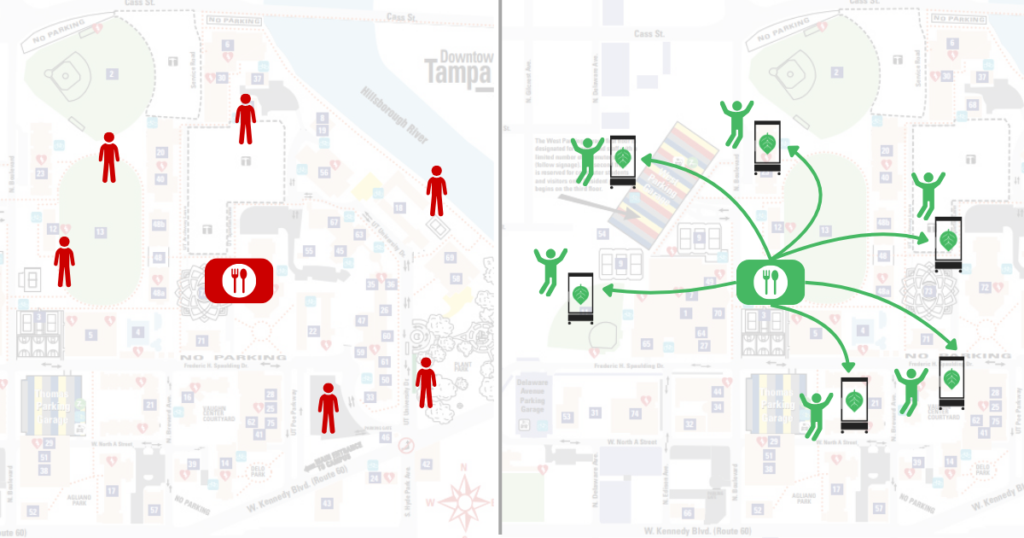
Each shifted from centralized delivery to distributed access. Campus dining is following the same pattern.
The goal isn’t necessarily to produce more food; it’s to make existing food available in more places, at more times.
What distributed dining looks like
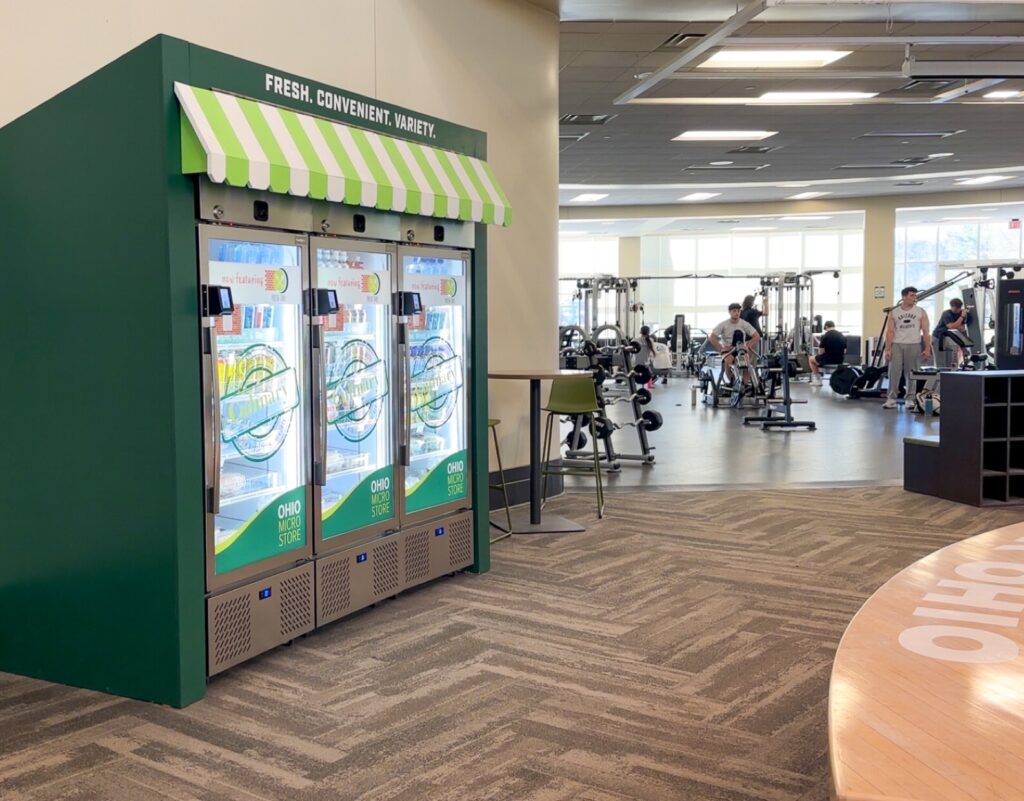
Instead of expanding one dining hall, universities can extend their existing operation across campus.
That might include fresh food locations in:
- Residence halls
- Libraries
- Recreation centers
- Health sciences buildings
- Student housing
- Satellite campuses
These locations don’t replace dining halls.
They complement them.
Students continue using dining halls for community, variety, and full-service meals while gaining convenient access to fresh food throughout the day and night.
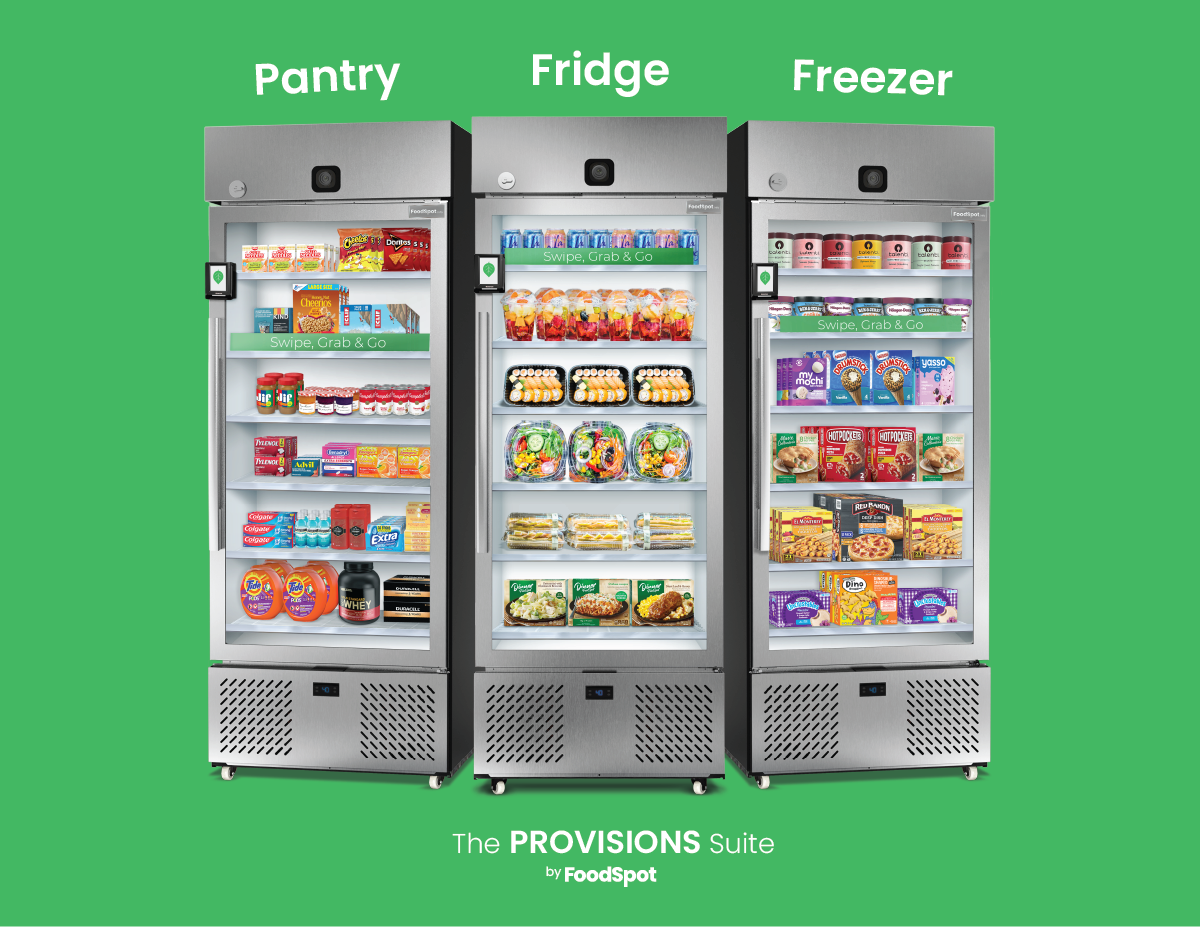
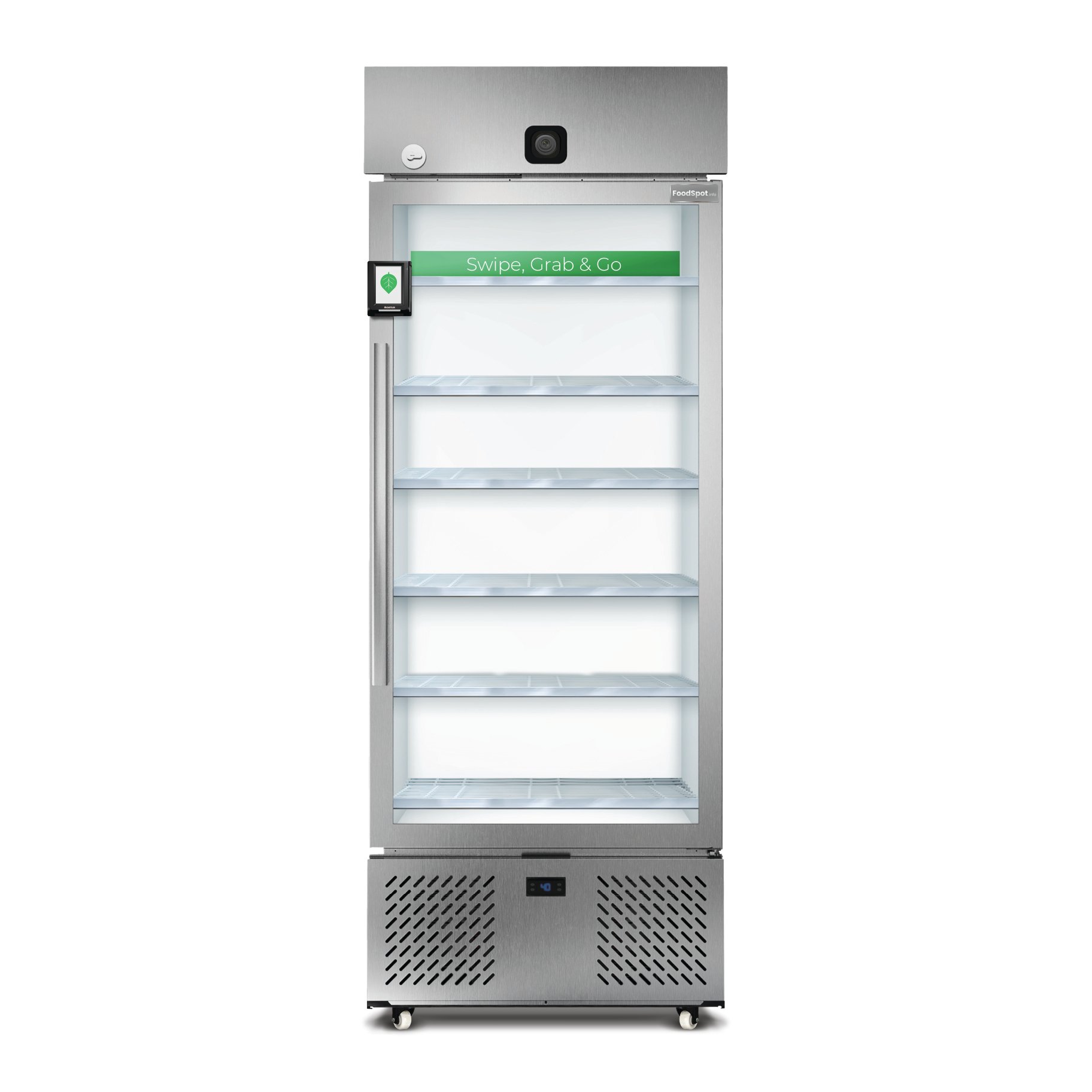
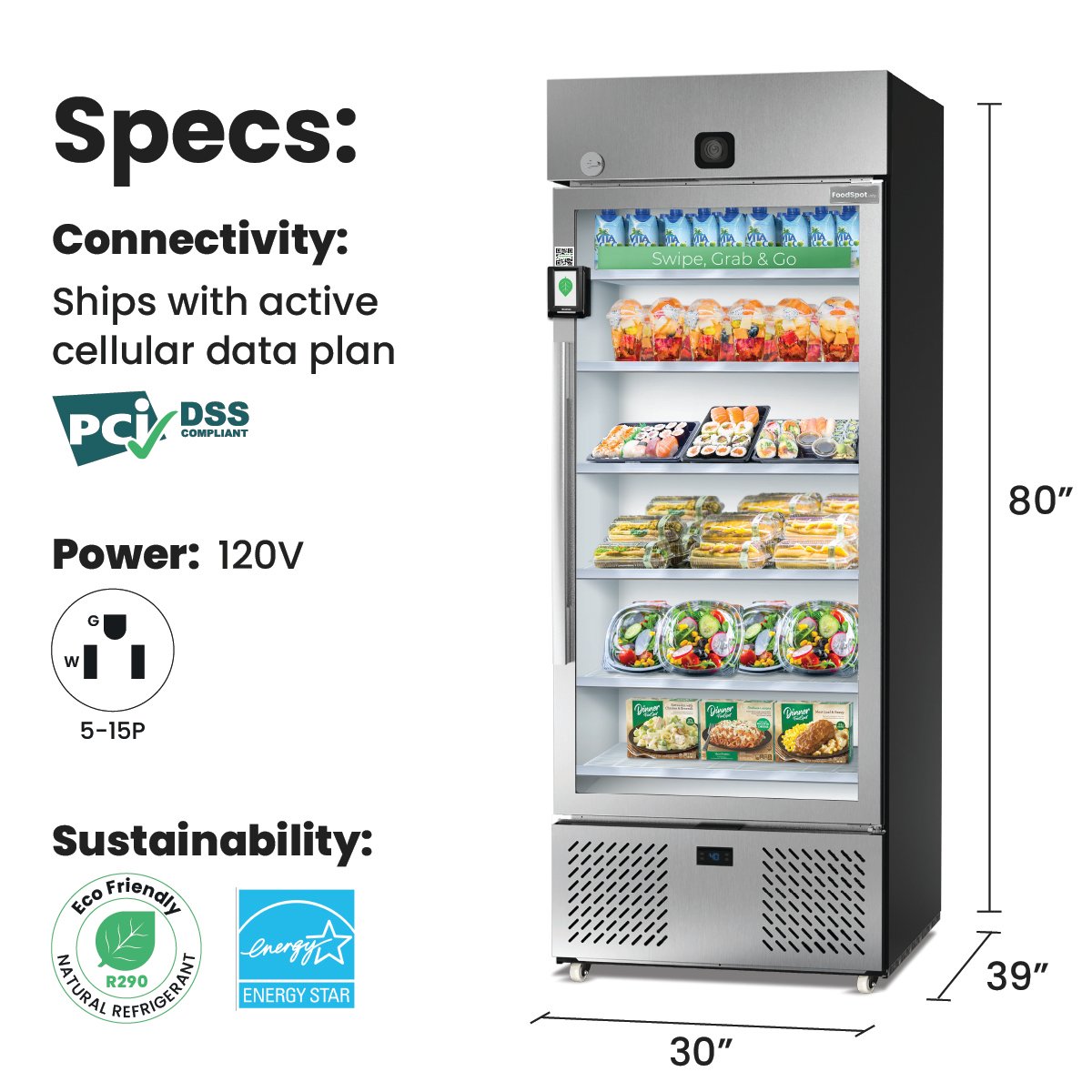
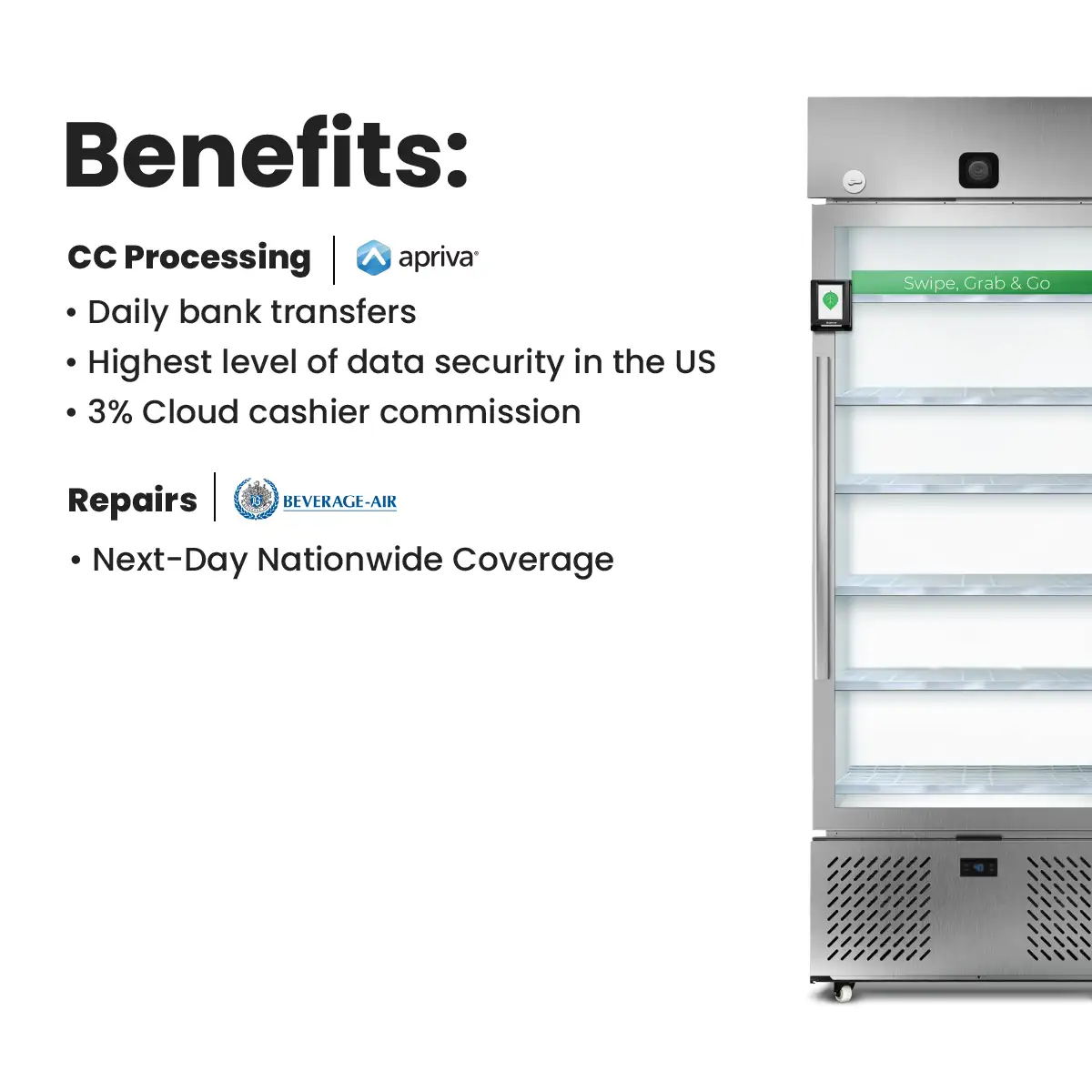
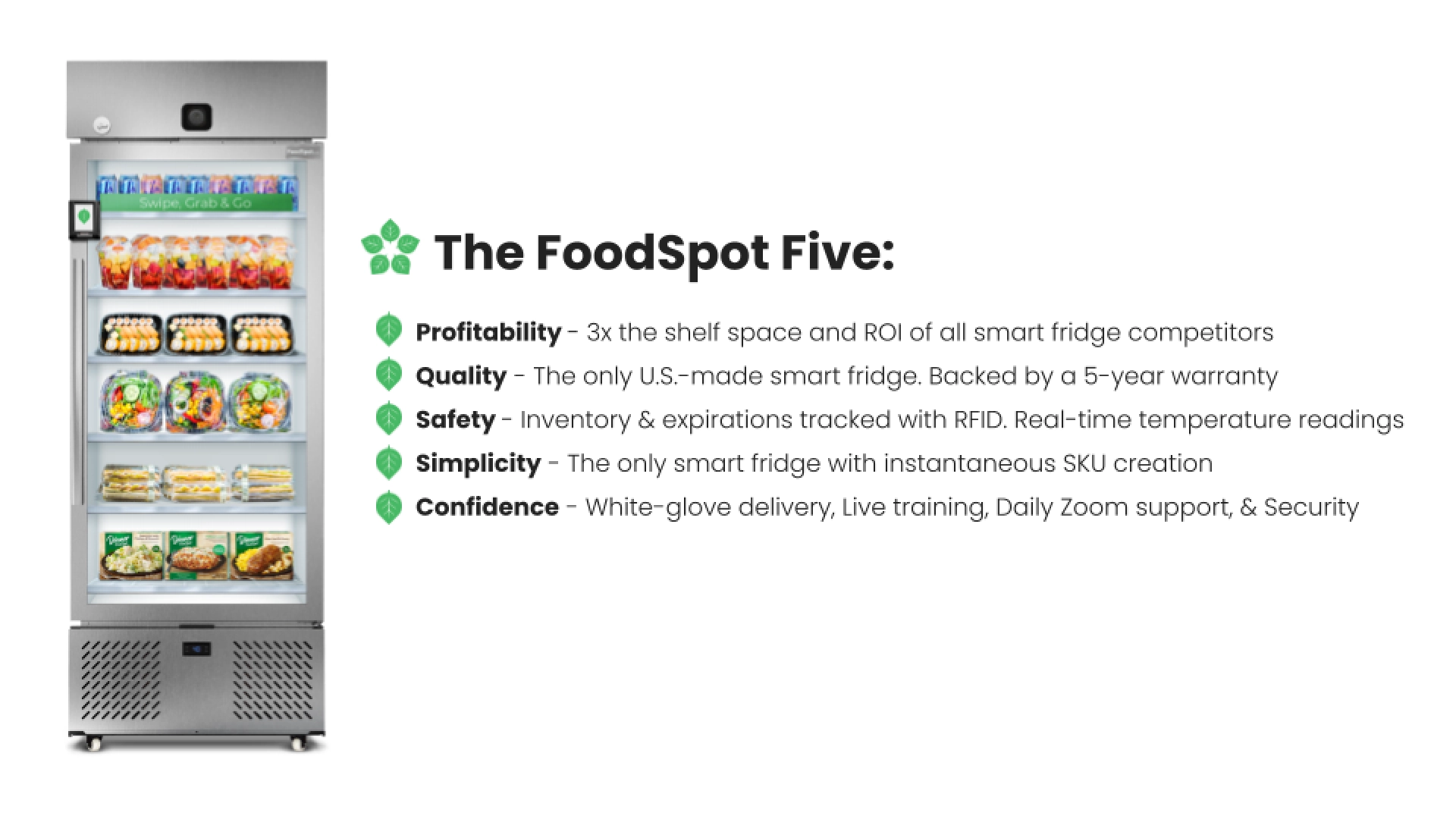
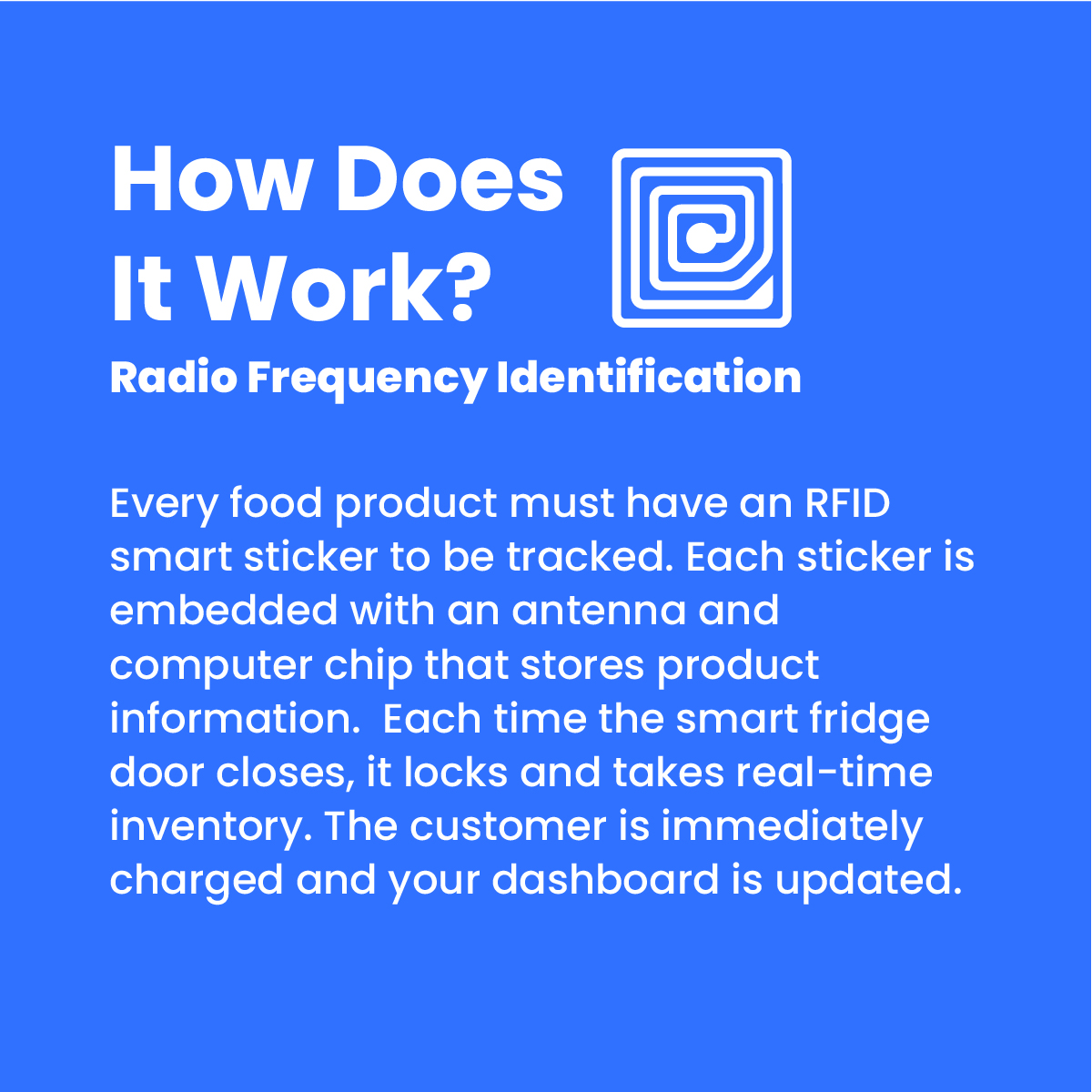
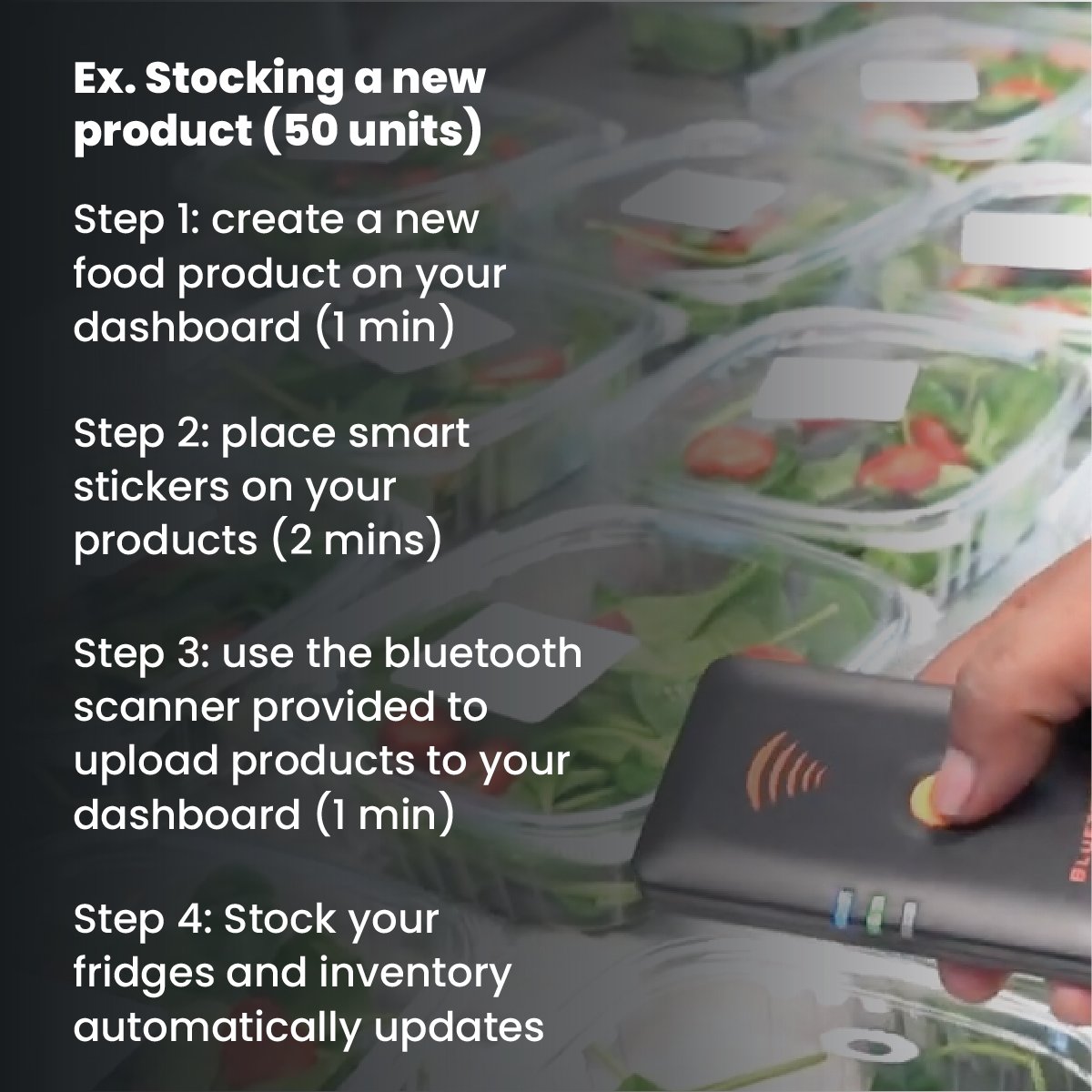
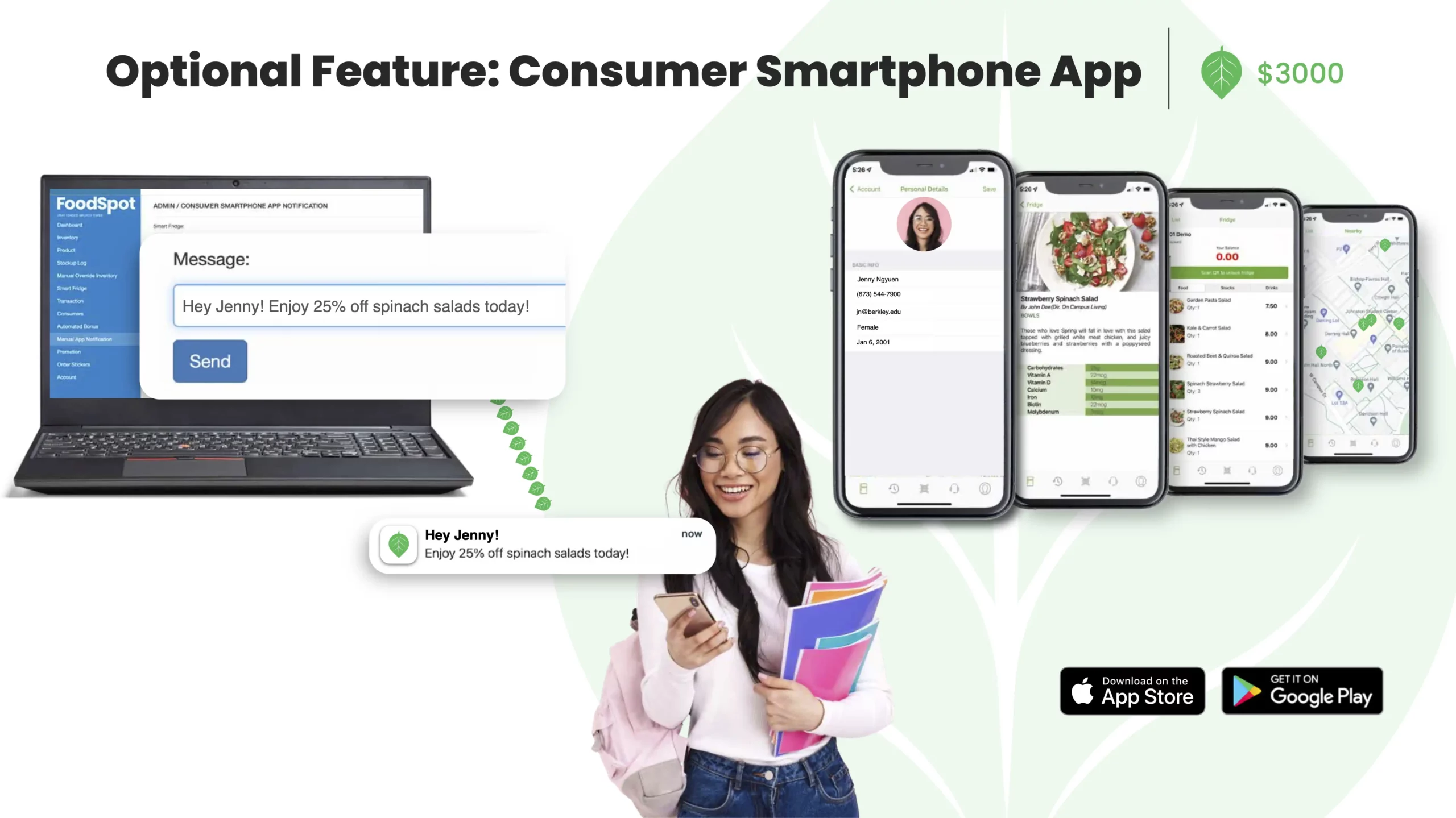
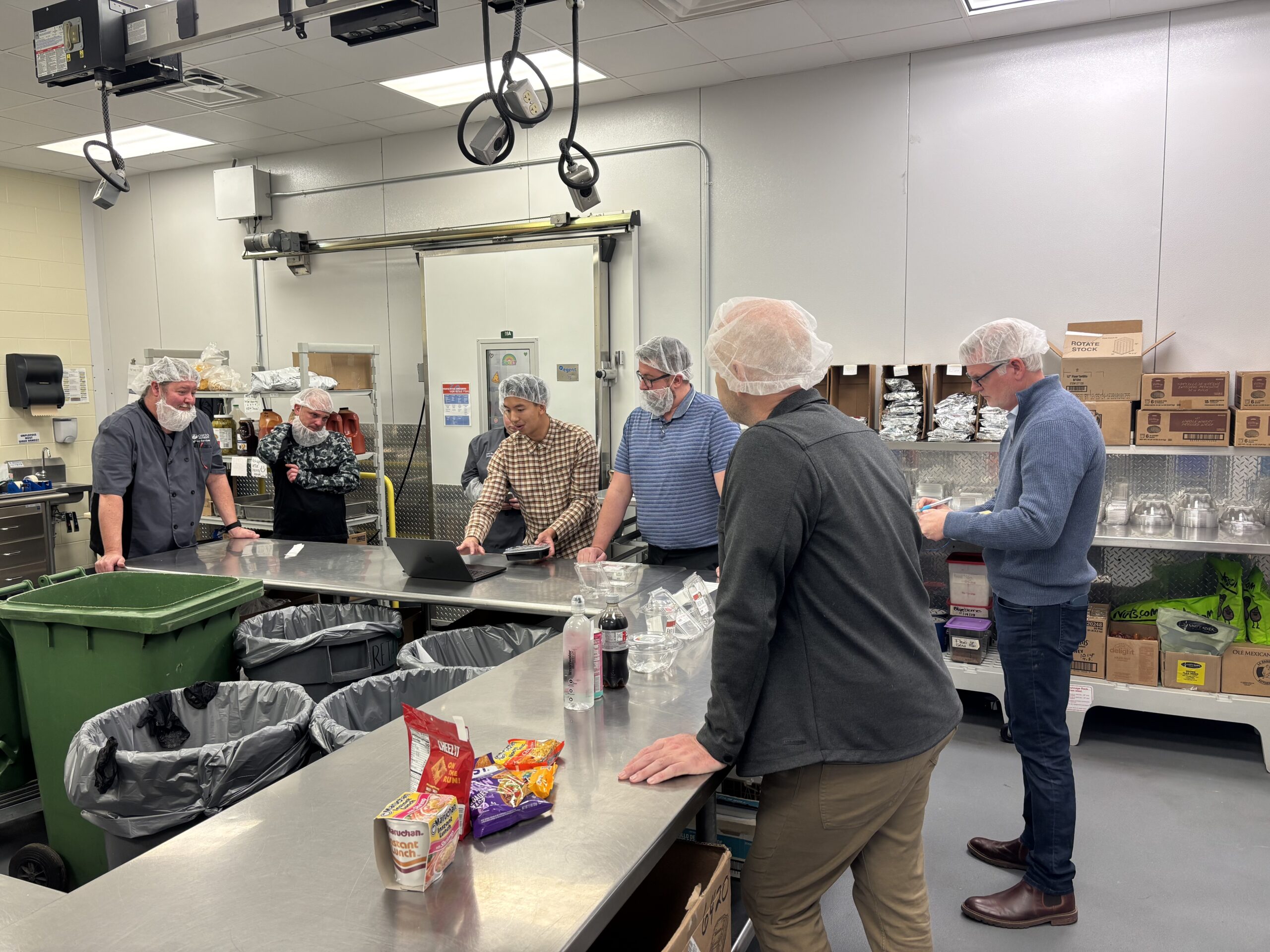
This is why many institutions are exploring secure smart fridge microstores. Rather than functioning like traditional vending machines, they operate as unattended extensions of the dining program, stocked by the same dining team and offering fresh meals wherever demand exists.
If you’re evaluating ways to expand campus dining solutions, our guide to campus-vending-machines explores how universities are using distributed food access to extend dining without adding staffed retail locations.
Better distribution improves more than convenience
Thinking like a distribution network creates benefits beyond late-night meals.
It can help campuses:
- Serve students in buildings without dining facilities.
- Improve food access for commuter and graduate students.
- Reduce dependence on expensive late-night staffing.
- Capture demand that’s currently leaving campus through delivery apps.
- Expand dining coverage without constructing new retail space.
The result isn’t simply more places to buy food. It’s a dining system that better reflects how students actually move through campus.
A real-world example
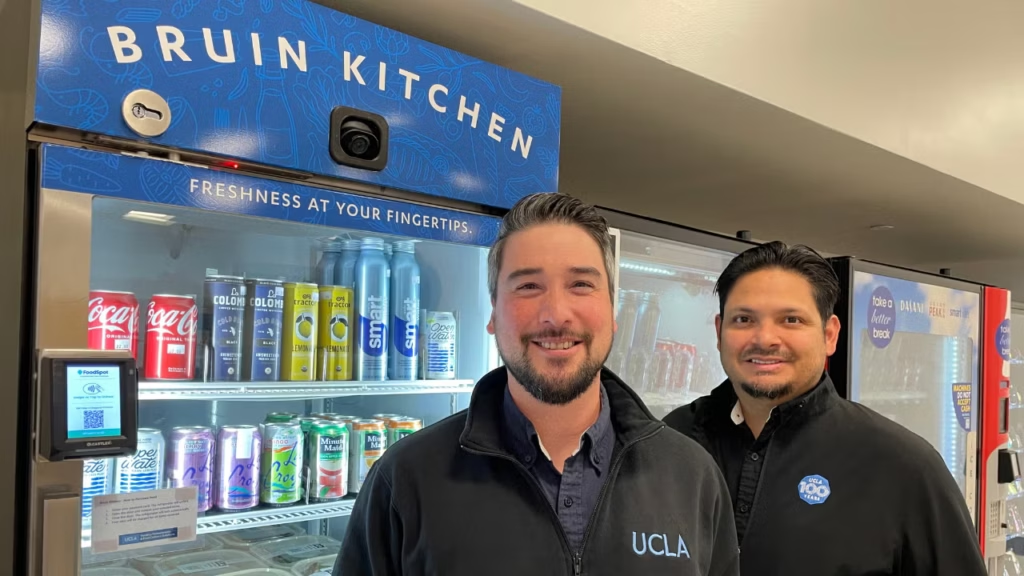
UCLA is one of the top dining programs in the country. The Director of Dining Services knew that even their 10 world-class dining locations could not cover the 24-hour, distributed nature of student life. They deployed 6 FoodSpot microstores across recreation centers, academic buildings, the medical school, and other high-traffic locations. This broke the ceiling on fresh food access on their campus as students adopted it right away.
The lesson was not that students wanted more dining halls.
It was that students wanted dining where they already were.
The question isn’t whether your campus serves enough food.
It’s whether students can access it when and where they need it.
If you’re evaluating how to expand dining coverage without opening another staffed location, a distributed network of secure smart fridge microstores may fit into your existing dining operation while extending fresh food access across campus. Feel free to reach out to discuss how this can look on your campus.
Key Takeaways
- Campus dining challenges are often distribution challenges, not production challenges.
- Food access depends on both location (spatial access) and time (temporal access).
- More seating or larger dining halls don’t automatically improve accessibility.
- Distributed food locations extend existing dining programs without requiring new staffed retail locations.
- Universities that improve coverage can better serve students throughout the entire campus day.
Frequently Asked Questions
What is a distributed campus dining model?
A distributed dining model extends food access across multiple campus locations instead of concentrating service in a few dining halls. The goal is to make food available closer to where students live, study, and work.
What’s the difference between dining capacity and dining access?
Capacity measures how much food a campus can produce and serve. Access measures how easily students can obtain that food based on location and time.
Why is food distribution important on college campuses?
Student activity is spread across residence halls, libraries, recreation centers, and academic buildings. A distributed approach matches food availability to where students actually spend their time.
Can universities improve food access without building another dining hall?
Yes. Many campuses extend their existing dining operation by adding smaller, unattended food locations in high-demand buildings instead of constructing new retail facilities.
Why are universities rethinking campus dining?
Student schedules have become more flexible, while labor costs continue to rise. Universities are looking for ways to expand food access without expanding staffing or facilities.